
Research Data Stresses the Need for Long-term Monitoring of Outcomes – Plus Reporting on the Chiva PREM Brings Patient Experiences to Light
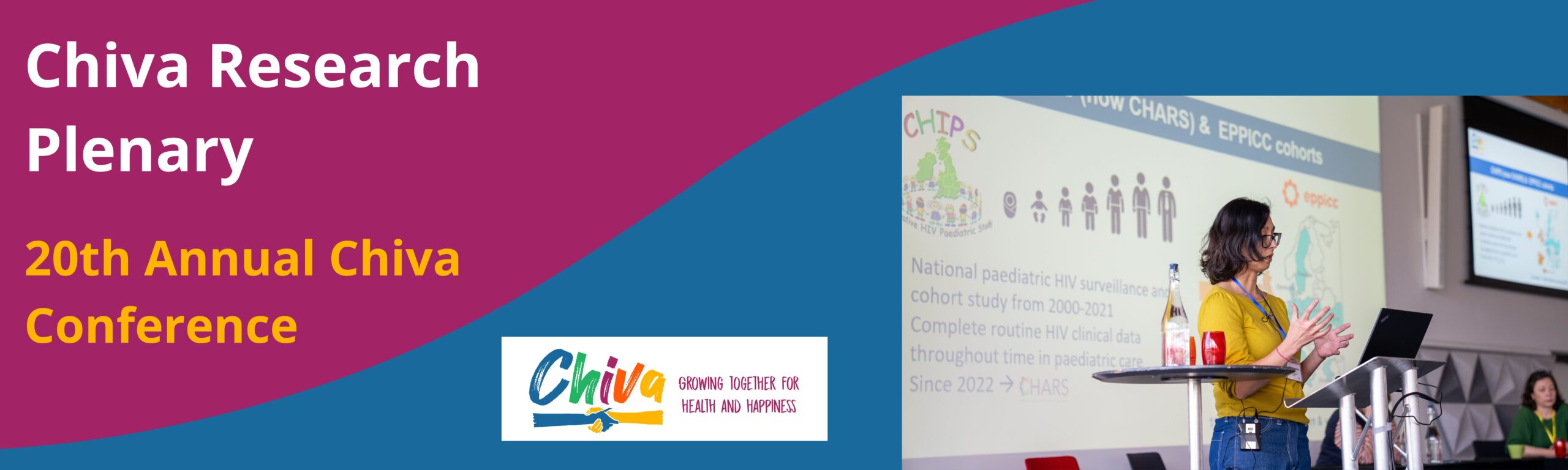
This year’s research update at the 20th Annual Chiva Conference was from Jeannie Collins, Professor of Epidemiology at University College London, and highlighted the strength and impact of over two decades of paediatric HIV observational research using routine clinical data.
The UK’s CHIPS cohort (Collaborative HIV Paediatric Study), now evolved into CHARS (Children’s HIV and AIDS Reporting System), alongside the European Paediatric Infections Cohort Collaboration (EPPICC), brings together data from 18 cohorts across Europe and Thailand, representing more than 11,000 children and young people living with HIV. This collaboration enables robust investigation of long-term outcomes, rare events, and key sub-groups that would not be possible in smaller datasets.
Recent analyses focused on outcomes following dolutegravir (DTG) use in children and young people. Findings were reassuring, showing high rates of viral suppression and comparable long-term growth and virological outcomes between DTG-based and protease inhibitor–based regimens, including in children under 12 years.
Ongoing studies include a large EPPICC (Epidemiology of Pregnancy and Paediatric Infections International Cohort Collaboration) renal impairment study, alongside planned work on long-acting injectable antiretroviral therapy in young people.
Looking ahead, the presentation emphasised the urgent need for a life-course approach to perinatally acquired HIV, particularly as increasing numbers of young people are growing into adulthood.
Key knowledge gaps remain around post-pregnancy outcomes and long-term comorbidities. Global collaboration, linkage with adult cohorts, and meaningful engagement with young people are central to ensuring future HIV care meets lifelong needs.
Key Findings from the Patient Reported Experience Measures (PREMs)
Dr Katja Doerholt, Paediatric Infectious Diseases Consultant at St George’s Hospital, shared that Chiva has continued to develop and implement its Patient Reported Experience Measure (PREM) to capture the voices of young people aged 12–25 living with HIV and attending specialist clinics.
Co-designed with the Chiva Youth Committee, the PREM uses a short, easy-to-complete questionnaire to understand what matters most to young people about their clinic experience.
Between April 2025 and early March 2026, 56 fully completed PREMs were returned from 14 clinics across the UK. Overall, feedback was overwhelmingly positive. Most young people reported feeling welcome, supported, and respected by clinic teams, and the majority felt in control of how they accessed their appointments, whether attending alone or with someone else. Experiences with clinic staff were consistently rated highly.
The main barriers to attending clinic related to practical issues rather than care itself, particularly travel costs, journey time, and missing school or college. Suggestions for improvement focused on more flexible appointment times, reducing waiting times (especially for blood tests), and improving waiting areas with refreshments and activities.
PREM findings provide valuable insight for local teams, helping to highlight what is working well and identify opportunities for quality improvement. Clinics are encouraged to use this feedback to support service development and strengthen young people’s engagement in care.
Critical Reviewer: Dr Srini Bandi, Consultant Paediatrician and Head of Service, Leicester Children’s Hospital
