
A child with HIV needs to know what is happening to them so they can understand how to keep themselves well and not feel scared or confused. If you are a parent or carer of a child or young person living with HIV, make sure you have the support you need.
You don’t need to tell your child about their HIV yourself. A healthcare professional such as a nurse, doctor or psychologist involved in caring for your child can do this, with you present. If there is a Chiva staff member near you, they may be able to help telling a child, if you’d feel more comfortable having conversations at home.
Young children may enjoy our fantastic new storybook Grace, Gigi and HIV. This is a gentle, heart-warming story that helps children understand and talk about HIV with confidence and care.
This project has been supported with an educational grant via the Gilead UK and Ireland Fellowship Programme.
If you’re reading the story on a mobile, flip your phone landscape for the best view.
We also have some cards that help explain HIV to children. Click the icons below.
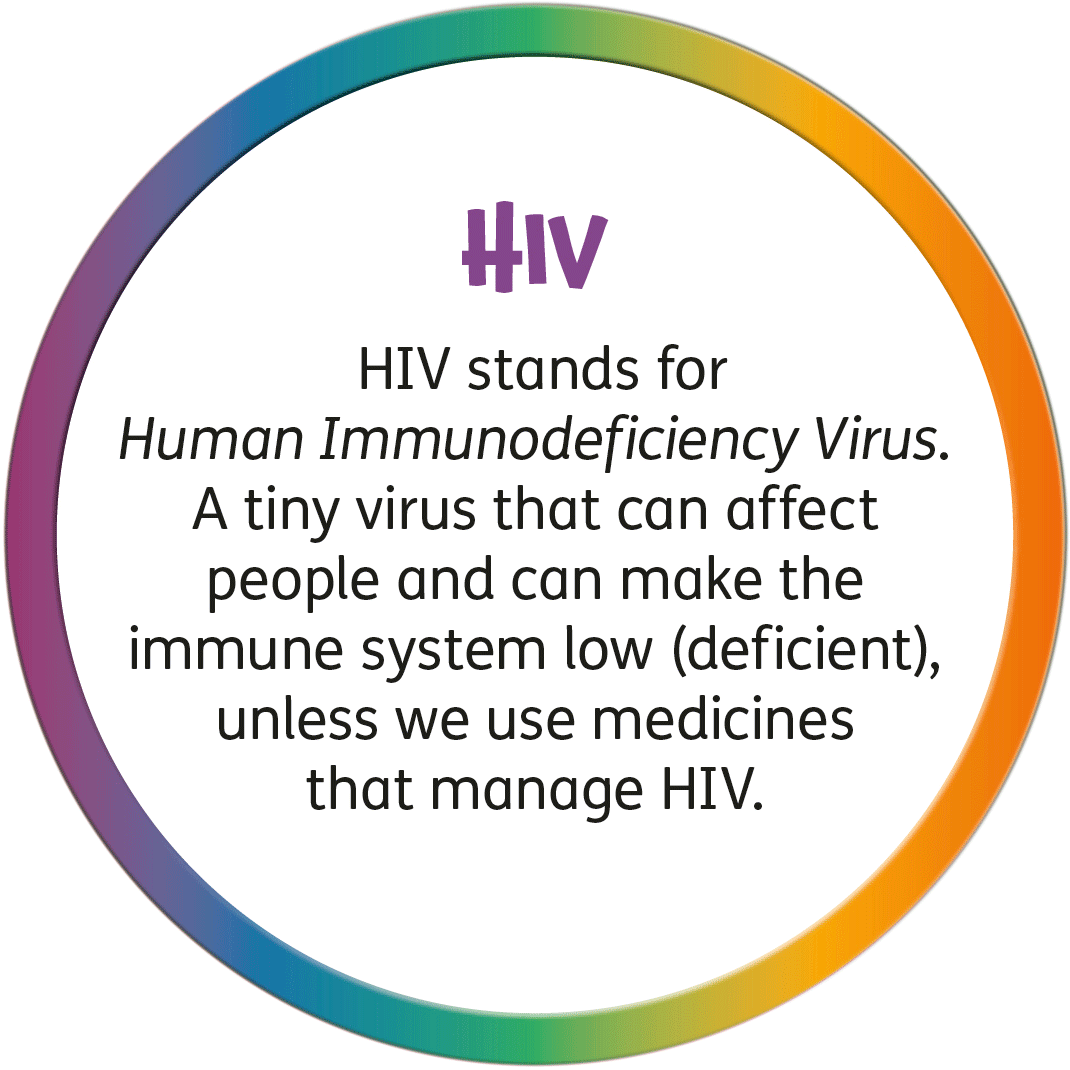
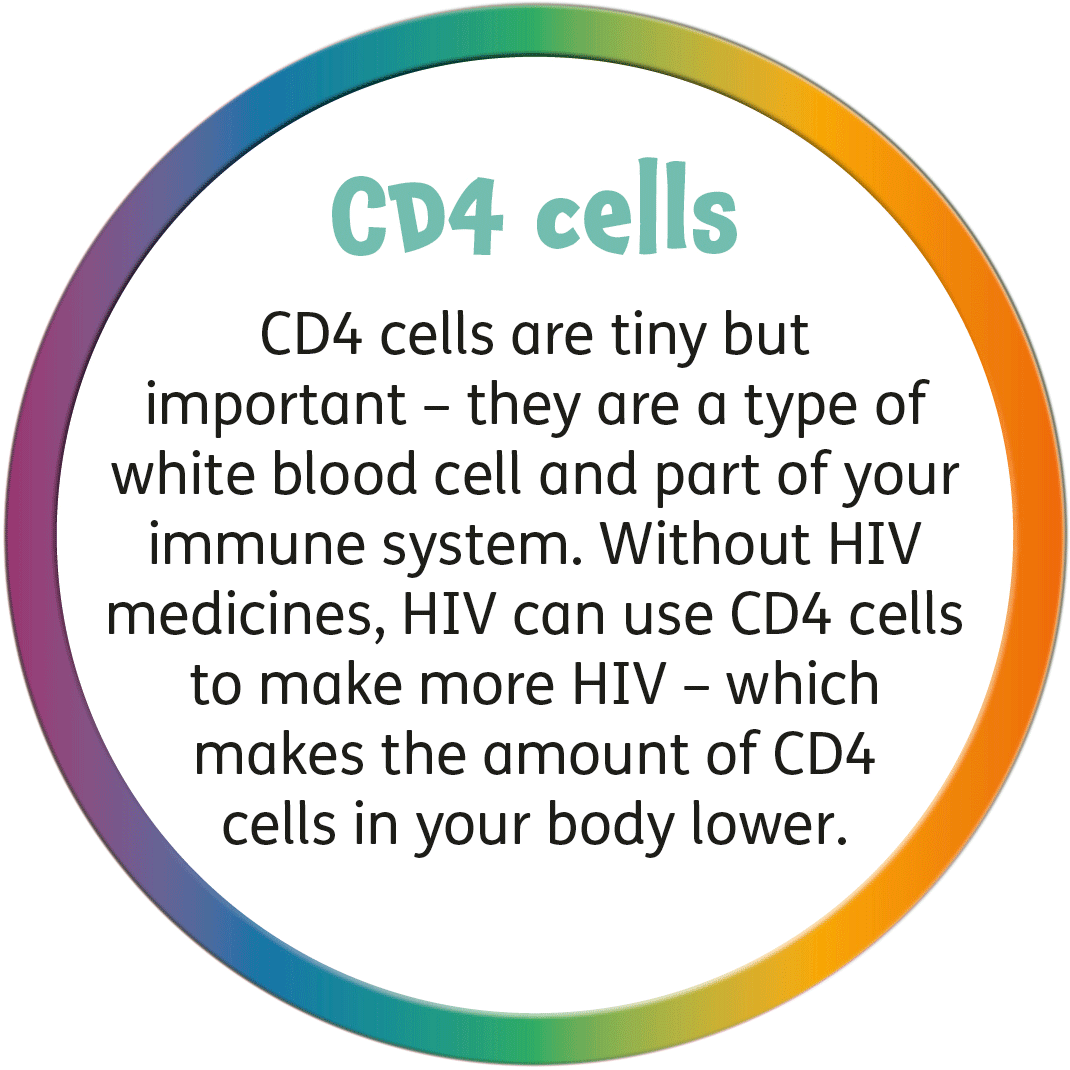
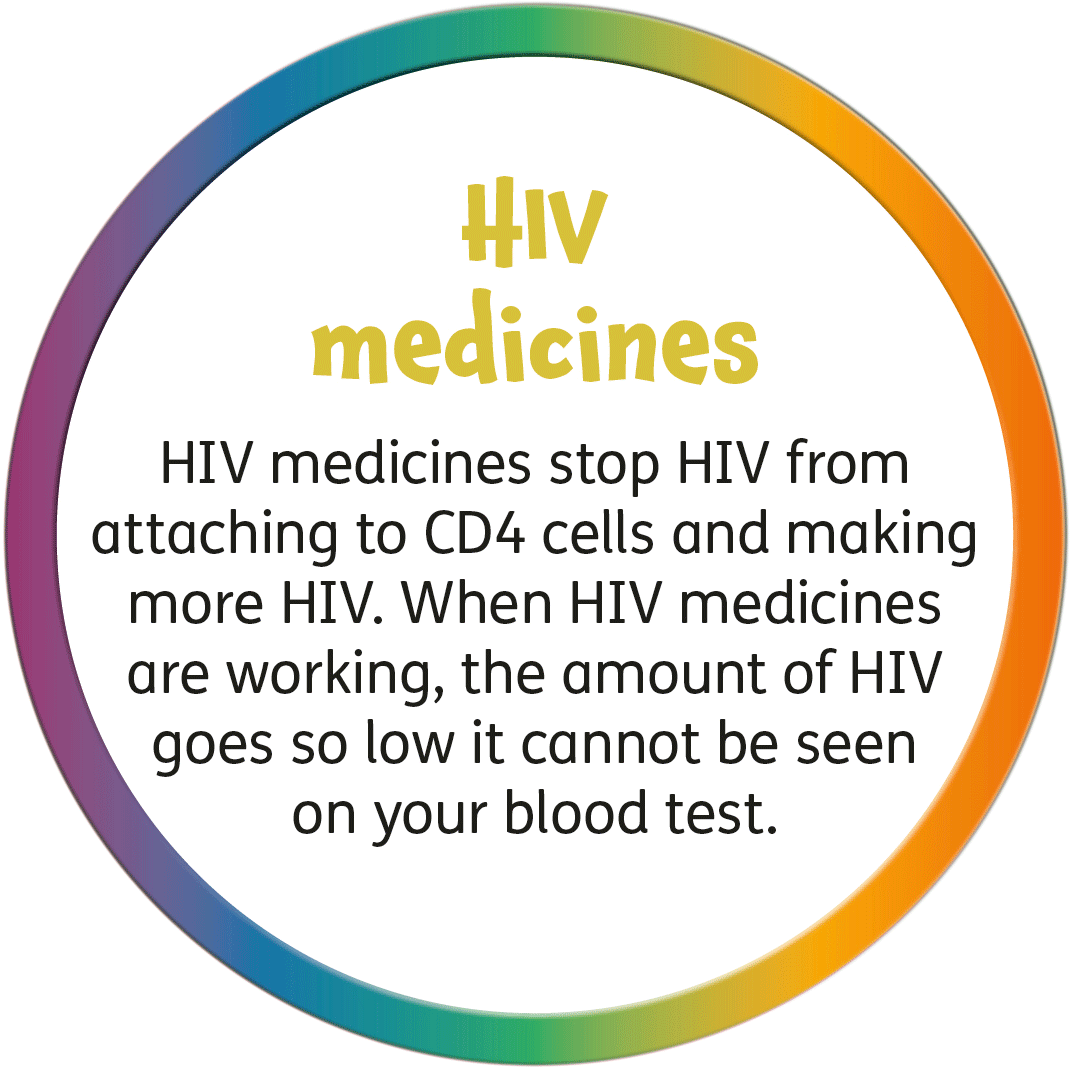
To request a free copy of the book or a set of cards, email [email protected]. If you’d like to print and cut out your own cards, you can download this document.
When should my child be told?
Chiva guidance recommends telling children about their HIV at the age of six, if possible. At this stage, children should not have come across HIV or any incorrect facts about it, so they can be more accepting of it as a health condition.
You can share accurate facts about living well with HIV and build hopes for the future. Once a child knows about their HIV, you can provide support, encouraging them to ask questions and talk about their feelings. This is vital for their wellbeing.
At Chiva, when we meet children who were older when they were told, some describe feeling angry that no one said anything sooner. They also felt scared, wondering if the delay meant that HIV must be really bad.
It’s important to avoid a child hearing the information during any major upheavals in their life, such as during the transition to secondary school, or when they are under pressure with exams. Teenage years are also a time of emotional and hormonal disruption.
Many parents/carers can become increasingly worried or anxious the longer their child is unaware of their HIV. Parents have frequently described feeling relieved after their child was told.
If you don’t want your child or young person to talk to others about HIV, explain that this is ‘family information’. In our experience, children and young people usually understand this.
How should I tell an older child or young person?
If you are telling a child at an older age, you can still do this with support from a health professional or Chiva staff member if that feels comfortable for you.
Here are some things to consider:
- If you are living with HIV, think back to when you heard your diagnosis. What were your feelings? What did you need from other people? What helped?
- Plan answers to some questions you think they might ask you. These might include: ‘Am I going to die?’, ‘Why didn’t you tell me before?’ and ‘How did you get it?’
- Choose a time and place for your first conversation carefully, somewhere relaxed and comfortable.
- Have some information to hand such as the Chiva My Meds My Health resources.
Helping young people understand HIV
Tips:
- Try to make sure you have a good understanding of HIV, including how HIV medication works, so you can answer any questions from your child. We have resources to help.
- Remember to ask professionals to talk with a child living with HIV if questions get too difficult.
What’s most important:
- They can ask questions whenever they need to and they know who to talk to about HIV
- They have a good understanding of HIV
- They know where to access information or support, in their own time
- They don’t feel they need to worry about you
